Blog

Understanding Heel Spurs

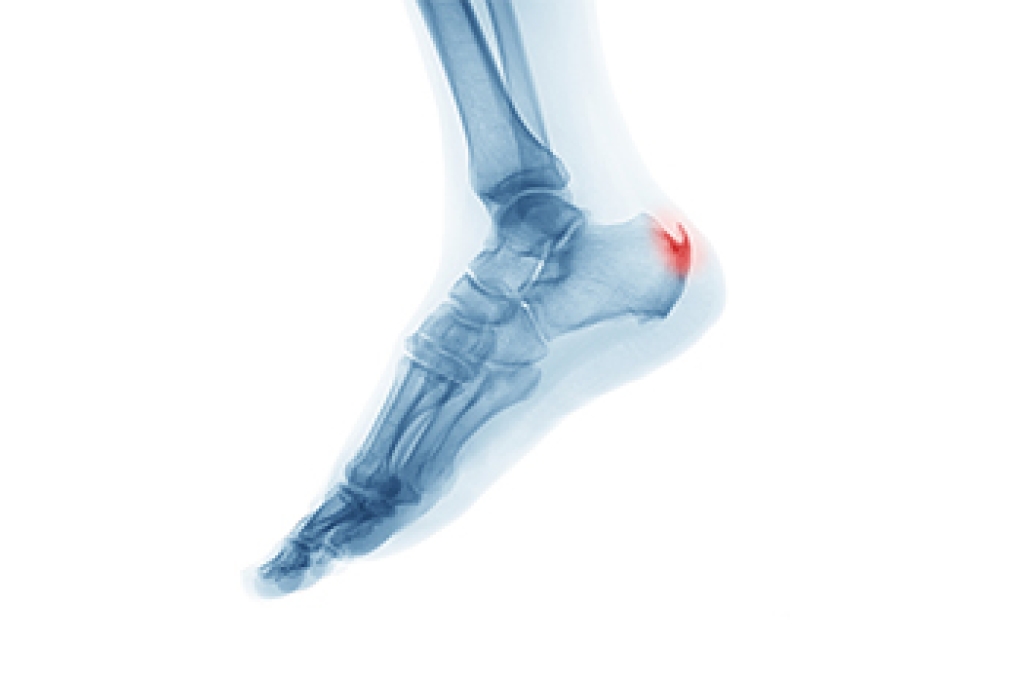
A heel spur is a bony growth that forms on the underside of the heel bone due to prolonged strain on foot muscles and ligaments. It often develops from repeated stress, inflammation, or tension on the plantar fascia. Although heel spurs are commonly associated with plantar fasciitis, they are not the same condition. Plantar fasciitis involves inflammation of soft tissue, while a heel spur is a calcium deposit on the bone. Some heel spurs cause no symptoms, but others can lead to sharp pain in the heel, especially when walking or standing. Discomfort may worsen after rest. A podiatrist can diagnose the condition and recommend appropriate treatment. If you have heel pain, it is suggested that you consult a podiatrist who can provide effective relief and treatment solutions.

Heel spurs can be incredibly painful and sometimes may make you unable to participate in physical activities. To get medical care for your heel spurs, contact Howard Waxman, DPM from Pleasant Valley Podiatry. Our doctor will do everything possible to treat your condition.

Heels Spurs

Heel spurs are formed by calcium deposits on the back of the foot where the heel is. This can also be caused by small fragments of bone breaking off one section of the foot, attaching onto the back of the foot. Heel spurs can also be bone growth on the back of the foot and may grow in the direction of the arch of the foot.

Older individuals usually suffer from heel spurs and pain sometimes intensifies with age. One of the main condition's spurs are related to is plantar fasciitis.

Pain

The pain associated with spurs is often because of weight placed on the feet. When someone is walking, their entire weight is concentrated on the feet. Bone spurs then have the tendency to affect other bones and tissues around the foot. As the pain continues, the feet will become tender and sensitive over time.

Treatments

There are many ways to treat heel spurs. If one is suffering from heel spurs in conjunction with pain, there are several methods for healing. Medication, surgery, and herbal care are some options.

If you have any questions, please feel free to contact one of our offices located in Willoughby Hills and Broadview Heights, OH . We offer the newest diagnostic and treatment technologies for all your foot care needs.
Read more about Heel Spurs

Foot Anatomy and How It Supports Your Body

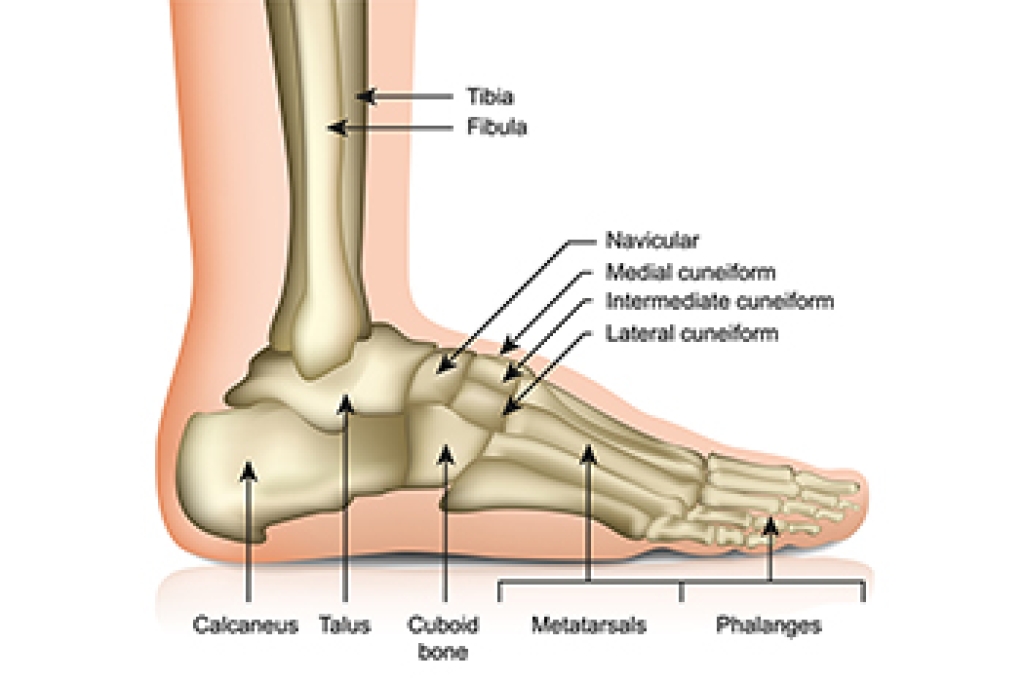
The complex structure of the foot is designed to support body weight and allow smooth movement while standing and walking. It contains 26 bones that work together to provide strength, balance, and flexibility. The tarsal bones form the rearfoot and ankle, creating a stable foundation, and help to absorb impact. The metatarsals make up the midfoot and act as supportive beams that distribute weight across the foot during standing and motion. Additionally, the phalanges are the toe bones, which assist with balance and push off during walking. When these bones are not functioning properly, pain and instability can occur. A podiatrist can evaluate foot anatomy, diagnose problems, and create treatment plans to restore proper function. If you have foot pain, it is suggested that you consult a podiatrist who can provide an accurate diagnosis and proper treatment.

If you have any concerns about your feet, contact Howard Waxman, DPM from Pleasant Valley Podiatry. Our doctor can provide the care you need to keep you pain-free and on your feet.

Biomechanics in Podiatry

Podiatric biomechanics is a particular sector of specialty podiatry with licensed practitioners who are trained to diagnose and treat conditions affecting the foot, ankle and lower leg. Biomechanics deals with the forces that act against the body, causing an interference with the biological structures. It focuses on the movement of the ankle, the foot and the forces that interact with them.

A History of Biomechanics

  • Biomechanics dates back to the BC era in Egypt where evidence of professional foot care has been recorded.
  • In 1974, biomechanics gained a higher profile from the studies of Merton Root, who claimed that by changing or controlling the forces between the ankle and the foot, corrections or conditions could be implemented to gain strength and coordination in the area.

Modern technological improvements are based on past theories and therapeutic processes that provide a better understanding of podiatric concepts for biomechanics. Computers can provide accurate information about the forces and patterns of the feet and lower legs.

Understanding biomechanics of the feet can help improve and eliminate pain, stopping further stress to the foot.

If you have any questions please feel free to contact one of our offices located in Willoughby Hills and Broadview Heights, OH . We offer the newest diagnostic and treatment technologies for all your foot and ankle needs.

Read more about The Importance of Biomechanics in Podiatry

Risk Factors for Gout

Certain factors increase the chance of gout, which causes severe pain in the feet. High uric acid levels place stress on the joints, especially around the big toe where gout attacks often begin. The problem occurs when the kidneys do not clear uric acid waste efficiently. Eating large amounts of foods high in purines, drinking alcohol, or consuming beverages with high fructose corn syrup can raise uric acid even more. Extra body weight increases pressure on the feet and can contribute to higher uric acid levels over time. Some health conditions, such as kidney problems or metabolic issues, also raise the likelihood of a painful  gout flare-up in the toes or ankles. Wearing shoes that lack adequate support, or flip-flops to replace proper footwear, can place added pressure on an already irritated big-toe joint. A podiatrist can examine swollen joints, review flare patterns, and recommend supportive devices that help reduce strain on painful areas. If you have symptoms of gout, it is suggested that you make an appointment with a podiatrist for a diagnosis and help managing this painful condition.

Gout is a foot condition that requires certain treatment and care. If you are seeking treatment, contact Howard Waxman, DPM from Pleasant Valley Podiatry. Our doctor will treat your foot and ankle needs.

What Is Gout?

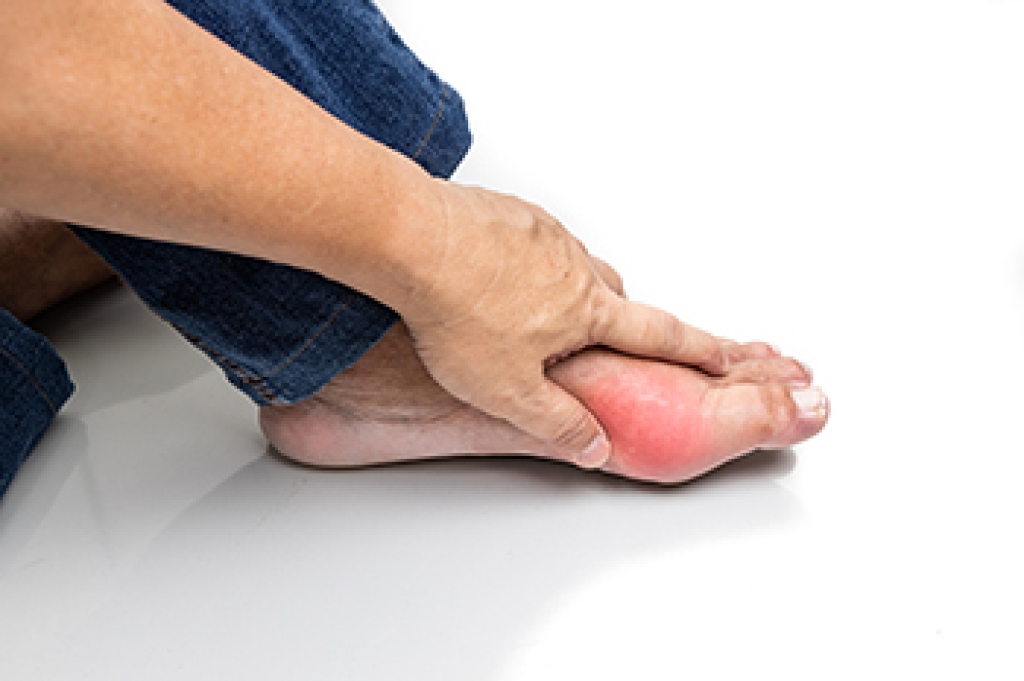
Gout is a type of arthritis caused by a buildup of uric acid in the bloodstream. It often develops in the foot, especially the big toe area, although it can manifest in other parts of the body as well. Gout can make walking and standing very painful and is especially common in diabetics and the obese.

People typically get gout because of a poor diet. Genetic predisposition is also a factor. The children of parents who have had gout frequently have a chance of developing it themselves.

Gout can easily be identified by redness and inflammation of the big toe and the surrounding areas of the foot. Other symptoms include extreme fatigue, joint pain, and running high fevers. Sometimes corticosteroid drugs can be prescribed to treat gout, but the best way to combat this disease is to get more exercise and eat a better diet.

If you have any questions, please feel free to contact one of our offices located in Willoughby Hills and Broadview Heights, OH . We offer the newest diagnostic and treatment technologies for all your foot care needs.

Read more about Everything You Need to Know About Gout

Traits of Walking and Running Shoes

Walking and running shoes are designed differently to accommodate unique foot mechanics and movement patterns. Walking shoes distribute weight more evenly across the foot, offer moderate cushioning, and typically have a lower, more stable heel flare for balance. Running shoes are built for forward motion, with increased cushioning to absorb impact, a higher heel to support stride, and more responsiveness and flexibility to handle repeated high force. Choosing the correct shoe type reduces fatigue, prevents injury, and supports natural foot function. A podiatrist can assess gait, recommend appropriate footwear, and prescribe custom orthotics if needed to optimize performance and comfort. If you have foot pain, it is suggested that you consult a podiatrist who can treat various foot and ankle conditions, and guide you on the right type of shoes to wear for your desired activity.

If you are a runner, wearing the right running shoe is essential. For more information, contact Howard Waxman, DPM from Pleasant Valley Podiatry. Our doctor can provide the care you need to keep you pain-free and on your feet.

Choosing the Right Running Shoe for Your Foot Type

To increase performance and avoid the risk of injury, it is important to choose the right running shoe based on your foot type. The general design of running shoes revolves around pronation, which is how the ankle rolls from outside to inside when the foot strikes the ground.

  • Neutral runners are able to choose from a wide variety of shoes, including minimalist shoes or even going barefoot.
  • Runners who overpronate, or experience an over-abundance of ankle rolling, should choose shoes that provide extra motion control and stability.
  • Runners who underpronate, or supinate, have feet that have high arches and lack flexibility, preventing shock absorption. They require shoes with more flexibility and cushion.

If you have any questions, please feel free to contact one of our offices located in Willoughby Hills and Broadview Heights, OH . We offer the newest diagnostic and treatment technologies for all your foot care needs.

Read more about Choosing the Right Running Shoe for Your Foot Type
Connect with us