
Blog

Long-Term Impact of Achille’s Tendon Injuries

An injury involving the Achille’s tendon, especially a rupture, can leave ongoing issues even after healing. People often report reduced strength in the lower leg, making activities like pushing off the foot or climbing stairs more difficult. Limited flexibility and ankle stiffness may persist, especially after rest. Muscle shrinkage in the calf can occur due to disuse during recovery, sometimes creating an uneven appearance between legs. Changes in walking or movement patterns are also common, which may place extra stress on nearby joints such as the knees or hips. Some individuals continue to feel tightness or discomfort long term, while others face a higher chance of reinjury if they return to activity too quickly. Proper rehabilitation, gradual strengthening, and targeted exercises are important to help restore mobility, improve function, and reduce the risk of lasting complications. If you have sustained an injury to your Achille’s tendon, it is suggested that you see a podiatrist for appropriate treatment.

Achilles tendon injuries need immediate attention to avoid future complications. If you have any concerns, contact Howard Waxman, DPM of Pleasant Valley Podiatry. Our doctor can provide the care you need to keep you pain-free and on your feet.

What Is the Achilles Tendon?

The Achilles tendon is a tendon that connects the lower leg muscles and calf to the heel of the foot. It is the strongest tendon in the human body and is essential for making movement possible. Because this tendon is such an integral part of the body, any injuries to it can create immense difficulties and should immediately be presented to a doctor.

What Are the Symptoms of an Achilles Tendon Injury?

There are various types of injuries that can affect the Achilles tendon. The two most common injuries are Achilles tendinitis and ruptures of the tendon.

Achilles Tendinitis Symptoms

  • Inflammation
  • Dull to severe pain
  • Increased blood flow to the tendon
  • Thickening of the tendon

Rupture Symptoms

  • Extreme pain and swelling in the foot
  • Total immobility

Treatment and Prevention

Achilles tendon injuries are diagnosed by a thorough physical evaluation, which can include an MRI. Treatment involves rest, physical therapy, and in some cases, surgery. However, various preventative measures can be taken to avoid these injuries, such as:

  • Thorough stretching of the tendon before and after exercise
  • Strengthening exercises like calf raises, squats, leg curls, leg extensions, leg raises, lunges, and leg presses

If you have any questions please feel free to contact one of our offices located in Willoughby Hills and Broadview Heights, OH . We offer the newest diagnostic tools and technology to treat your foot and ankle needs.

Read more about The Causes, Types, and Treatments of Achilles Tendon Injuries

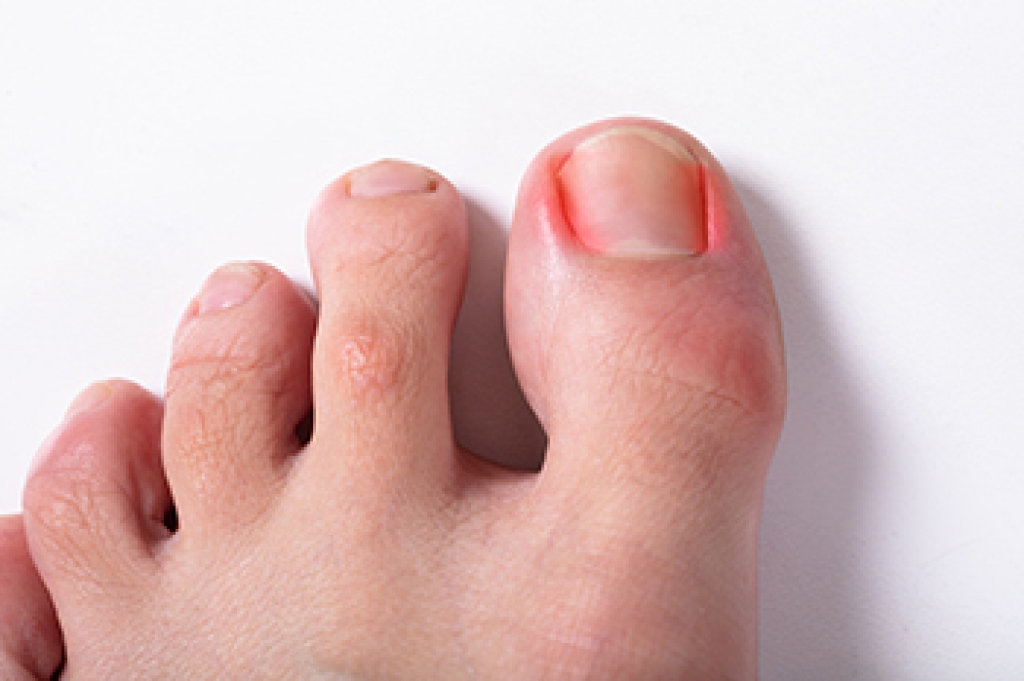
Conservative to Surgical Treatments for Ingrown Toenails

Ingrown toenails can range from mildly painful to severely infected, but treatment options are highly effective. Early, conservative care often includes warm soaks, proper nail trimming, topical antibiotics, and protective padding to relieve pressure. In more persistent cases, a podiatrist may recommend partial nail avulsion, a minor procedure that removes the ingrown portion of the nail. For recurring or severe conditions, a matrixectomy, a procedure that permanently removes part of the nail root to stop regrowth, may be performed to permanently prevent that part of the nail from growing back. These in-office procedures are typically quick, safe, and provide long-term relief. Addressing the problem early helps prevent infection, swelling, and worsening pain. Whether your symptoms are new or ongoing, professional evaluation ensures the most appropriate treatment plan. Do not ignore the discomfort of an ingrown toenail. It is suggested that you schedule a visit with a podiatrist to receive expert care, and get back on your feet comfortably.

Ingrown toenails may initially present themselves as a minor discomfort, but they may progress into an infection in the skin without proper treatment. For more information about ingrown toenails, contact Howard Waxman, DPM of Pleasant Valley Podiatry. Our doctor can provide the care you need to keep you pain-free and on your feet.

Ingrown Toenails

Ingrown toenails are caused when the corner or side of a toenail grows into the soft flesh surrounding it. They often result in redness, swelling, pain, and in some cases, infection. This condition typically affects the big toe and may recur if it is not treated properly.

Causes

  • Improper toenail trimming
  • Genetics
  • Improper shoe fitting
  • Injury from pedicures or nail picking
  • Abnormal gait
  • Poor hygiene

You are more likely to develop an ingrown toenail if you are obese, have diabetes, arthritis, or have any fungal infection in your nails. Additionally, people who have foot or toe deformities are at a higher risk of developing an ingrown toenail.

Symptoms

Some symptoms of ingrown toenails are redness, swelling, and pain. In rare cases, there may be a yellowish drainage coming from the nail.

Treatment

Ignoring an ingrown toenail can have serious complications. Infections of the nail border can progress to a deeper soft-tissue infection, which can then turn into a bone infection. You should always speak with your podiatrist if you suspect you have an ingrown toenail, especially if you have diabetes or poor circulation.

If you have any questions, please feel free to contact one of our offices located in Willoughby Hills and Broadview Heights, OH . We offer the newest diagnostic and treatment technologies for all your foot care needs.

Read more about Ingrown Toenail Care

The Role of a Podiatrist

A podiatrist is a medical specialist dedicated to diagnosing and treating conditions that affect the feet and lower limbs. These foot experts manage a wide range of issues, including hammertoe, bunions, toenail disorders, arthritis, and complications related to diabetes that can impact circulation and nerve health. Because the feet support the entire body, even minor problems can lead to significant discomfort and mobility challenges if left untreated. Podiatrists provide comprehensive care through accurate diagnosis, personalized treatment plans, and preventive strategies to maintain long-term foot health. Their expertise helps patients stay active and avoid more serious complications. If you have foot pain or concerns, it is suggested that you consult a podiatrist who can accurately diagnose and treat foot and ankle conditions. 

If you are experiencing pain in the feet or ankles, don’t join the stubborn majority refusing treatment. Feel free to contact Howard Waxman, DPM from Pleasant Valley Podiatry. Our doctor can provide the care you need to keep you pain-free and on your feet.

What Is a Podiatrist?

Someone would seek the care of a podiatrist if they have suffered a foot injury or have common foot ailments such as heal spurs, bunions, arch problems, deformities, ingrown toenails, corns, foot and ankle problems, etc.

Podiatric Treatment

A podiatrist will treat the problematic areas of the feet, ankle or lower leg by prescribing the following:

  • Physical therapy
  • Drugs
  • Orthotic inserts or soles
  • Surgery on lower extremity fractures

A common podiatric procedure a podiatrist will use is a scanner or force plate which will allow the podiatrist to know the designs of orthotics. Patients are then told to follow a series of tasks to complete the treatment. The computer will scan the foot a see which areas show weight distribution and pressure points. The podiatrist will read the analysis and then determine which treatment plans are available.

If you have any questions, please feel free to contact one of our offices located in Willoughby Hills and Broadview Heights, OH . We offer the newest diagnostic and treatment technologies for all your foot care needs.

Read more about What is a Podiatrist?

Treatment Options for Nail Fungus in Children

Nail fungus, also called onychomycosis, is a fungal infection that affects the nails. It can cause nails to become thick, discolored, brittle, or misshapen. While more common in adults, children can develop this condition, especially if their feet stay moist or if they have had athlete’s foot, a fungal infection of the skin on the feet. Treatment depends on how severe the infection is. Mild cases may improve with topical antifungal medications applied directly to the nail. More persistent cases may require oral medication to clear the infection from within. Keeping nails trimmed, clean, and dry can support healing and help prevent spread. It is also important to avoid sharing nail clippers or shoes. Early care can make treatment easier and more effective. If you notice changes in your child’s nails, it is suggested that you see a podiatrist for a proper diagnosis and appropriate treatment.

For more information about treatment, contact Howard Waxman, DPM of Pleasant Valley Podiatry. Our doctor can provide the care you need to keep you pain-free and on your feet.

Toenail Fungus Treatment

Toenail fungus is a condition that affects many people and can be especially hard to get rid of. Fortunately, there are several methods to go about treating and avoiding it.

Antifungals & Deterrence

Oral antifungal medicine has been shown to be effective in many cases. It is important to consult with a podiatrist to determine the proper regiment for you, or potentially explore other options.

Applying foot powder on the feet and shoes helps keep the feet free of moisture and sweat.

Sandals or open toed shoes – Wearing these will allow air movement and help keep feet dry. They also expose your feet to light, which fungus cannot tolerate. Socks with moisture wicking material also help as well.

If you have any questions please contact one of our offices located in Willoughby Hills and Broadview Heights, OH . We offer the newest diagnostic and treatment technologies for all your foot and ankle needs.

Read more about Toenail Fungus

Heel Pain Can Be Treated!

Do you suffer from heel pain when you get up in the morning? If so, you should seek professional help and have a proper diagnosis performed. Heel pain can be caused by several different foot-related conditions.

Connect with us