Your feet are covered most of the day. If you're diabetic, periodic screening is important for good health. Numbness is often a sign of diabetic foot and can mask a sore or wound.

Your feet are covered most of the day. If you're diabetic, periodic screening is important for good health. Numbness is often a sign of diabetic foot and can mask a sore or wound.
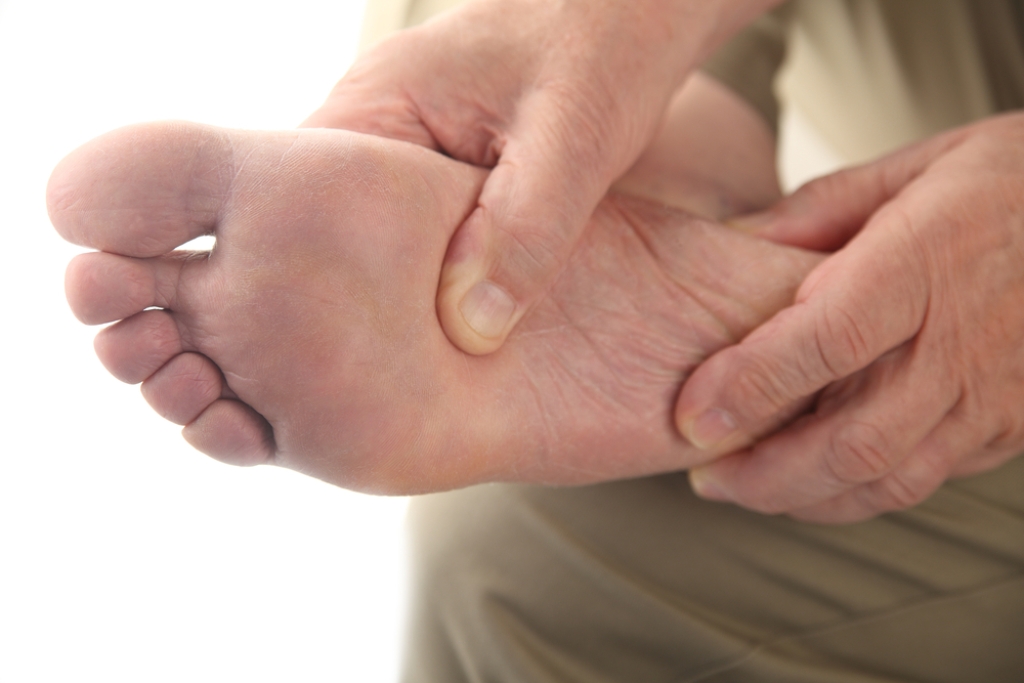
Springtime can create risks for diabetics, when it comes to foot health. Seasonal changes like warmer weather and footwear can increase the chance of skin irritation and injuries. Diabetes can affect blood flow and nerve function, which may lead to reduced feeling in the feet. This means cuts, blisters, or puncture wounds may go unnoticed and become infected before they are detected. Moist conditions from rain or damp shoes can also weaken the skin and add to the risk of infection. A podiatrist can examine the feet for signs of damage, check circulation and nerve response, and provide nail and skin care in a sterile setting. Treatment options include custom orthotics, protective footwear guidance, and wound care to prevent serious complications and limb loss. If you have foot problems as a complication of diabetes, it is suggested that you make an appointment with a podiatrist for a diagnosis and treatment.
Diabetic foot care is important in preventing foot ailments such as ulcers. If you are suffering from diabetes or have any other concerns about your feet, contact Howard Waxman, DPM from Pleasant Valley Podiatry. Our doctor can provide the care you need to keep you pain-free and on your feet.
Diabetic Foot Care
Diabetes affects millions of people every year. The condition can damage blood vessels in many parts of the body, especially the feet. Because of this, taking care of your feet is essential if you have diabetes, and having a podiatrist help monitor your foot health is highly recommended.
The Importance of Caring for Your Feet
Patients with diabetes should have their doctor monitor their blood levels, as blood sugar levels play such a huge role in diabetic care. Monitoring these levels on a regular basis is highly advised.
It is always best to inform your healthcare professional of any concerns you may have regarding your feet, especially for diabetic patients. Early treatment and routine foot examinations are keys to maintaining proper health, especially because severe complications can arise if proper treatment is not applied.
If you have any questions, please feel free to contact one of our offices located in Willoughby Hills and Broadview Heights, OH . We offer the newest diagnostic and treatment technologies for all your foot care needs.
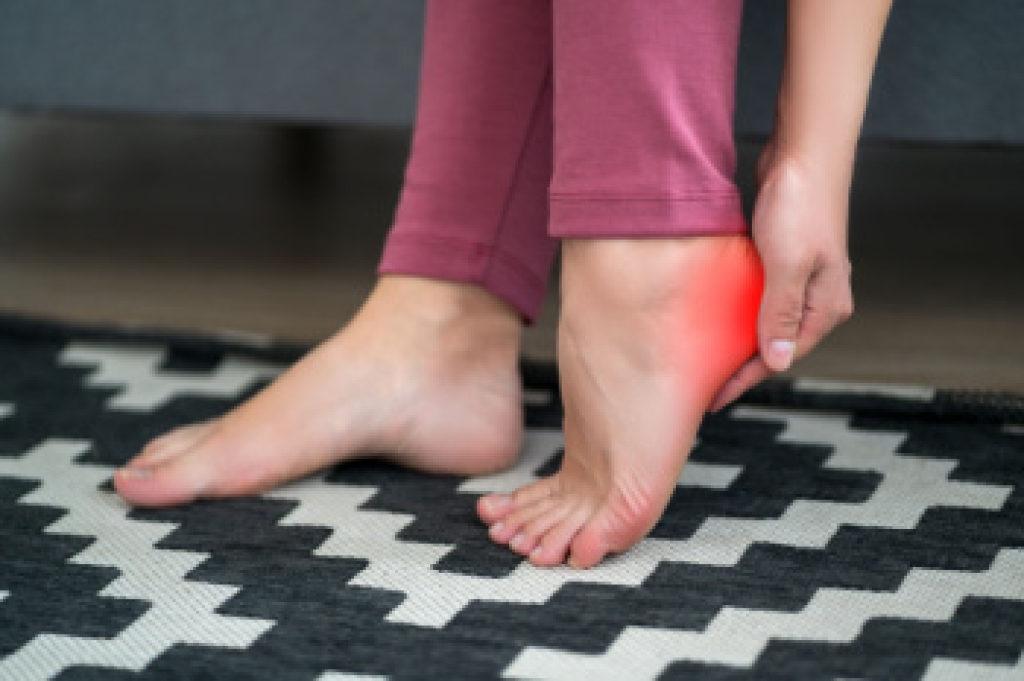
Heel bone spurs are growths that form on the underside or back of the heel, often developing gradually due to repeated strain on the foot. They are commonly associated with plantar fasciitis, where ongoing tension on the plantar fascia leads to calcium deposits building up over time. Many people do not notice the spur itself, but instead feel sharp or aching pain in the heel, especially with the first steps in the morning or after rest. Contributing causes include long periods of standing, improper footwear, flat feet or high arches, and tight calf muscles that increase stress on the heel. The area may feel tender and sore, though the spur is not always visible externally. A podiatrist can diagnose heel spurs through examination and X-rays. Treatment focuses on reducing strain with supportive shoes, custom orthotics, and targeted exercises. If you have heel pain related to bone spurs, it is suggested that you make an appointment with a podiatrist.
Heel spurs can be incredibly painful and sometimes may make you unable to participate in physical activities. To get medical care for your heel spurs, contact Howard Waxman, DPM from Pleasant Valley Podiatry. Our doctor will do everything possible to treat your condition.
Heels Spurs
Heel spurs are formed by calcium deposits on the back of the foot where the heel is. This can also be caused by small fragments of bone breaking off one section of the foot, attaching onto the back of the foot. Heel spurs can also be bone growth on the back of the foot and may grow in the direction of the arch of the foot.
Older individuals usually suffer from heel spurs and pain sometimes intensifies with age. One of the main condition's spurs are related to is plantar fasciitis.
Pain
The pain associated with spurs is often because of weight placed on the feet. When someone is walking, their entire weight is concentrated on the feet. Bone spurs then have the tendency to affect other bones and tissues around the foot. As the pain continues, the feet will become tender and sensitive over time.
Treatments
There are many ways to treat heel spurs. If one is suffering from heel spurs in conjunction with pain, there are several methods for healing. Medication, surgery, and herbal care are some options.
If you have any questions, please feel free to contact one of our offices located in Willoughby Hills and Broadview Heights, OH . We offer the newest diagnostic and treatment technologies for all your foot care needs.

Roller skating is a fun way to stay active, but foot pain can develop when boots do not fit properly. Boots that are too small may create pressure, while loose boots can lead to instability and friction. These issues may cause blisters and lace bite, which is irritation on the top of the foot from tight laces pressing on tendons. Other causes of pain include malleolar bursitis, which is inflammation of the fluid-filled sac near the ankle bone, and plantar fasciitis, which involves irritation of the tissue along the bottom of the foot. Risk increases with long sessions and repetitive movement. A podiatrist can evaluate and treat foot pain. If you have any type of foot or ankle pain from roller skating, it is suggested that you consult a podiatrist who can offer relief solutions, enabling you to return to this activity as soon as possible.
Ankle and foot injuries are common among athletes and in many sports. They can be caused by several problems and may be potentially serious. If you are feeling pain or think you were injured in a sporting event or when exercising, consult with Howard Waxman, DPM from Pleasant Valley Podiatry. Our doctor will assess your condition and provide you with quality foot and ankle treatment.
Common Injuries
The most common injuries that occur in sporting activities include:
Symptoms
Symptoms vary depending upon the injury and in some cases, there may be no symptoms at all. However, in most cases, some form of symptom is experienced. Pain, aching, burning, bruising, tenderness, tightness or stiffness, sensation loss, difficulty moving, and swelling are the most common symptoms.
Treatment
Just as symptoms vary depending upon the injury, so do treatment options. A common treatment method is known as the RICE method. This method involves rest, applying ice, compression and elevating the afflicted foot or ankle. If the injury appears to be more serious, surgery might be required, such as arthroscopic or reconstructive surgery. Lastly, rehabilitation or therapy might be needed to gain full functionality in the afflicted area. Any discomfort experienced by an athlete must be evaluated by a licensed, reputable medical professional.
If you have any questions please contact one of our offices located in Willoughby Hills and Broadview Heights, OH . We offer the newest diagnostic and treatment technologies for all your foot and ankle needs.

Foot blisters can develop from a surprising range of factors beyond simple rubbing. Wearing poorly fitting footwear often creates pressure points, while damp conditions from sweat or external moisture soften the skin and make it more vulnerable. Increased activity, especially when breaking in new shoes, can quickly irritate sensitive areas. Certain skin issues, including fungal infections, dermatitis, or reactions to materials, may also trigger blister formation. Environmental extremes such as heat or cold can damage the skin and lead to fluid-filled pockets. Changes in foot shape or walking patterns can shift pressure to unfamiliar areas, increasing risk. While some blisters heal on their own, others may become painful or infected without proper care. If you notice recurring issues with blisters on your feet or slow healing, it is wise to seek professional advice. It is suggested that you schedule a visit with a podiatrist to keep your feet healthy, comfortable, and ready for daily activity.
Blisters may appear as a single bubble or in a cluster. They can cause a lot of pain and may be filled with pus, blood, or watery serum. If your feet are hurting, contact Howard Waxman, DPM of Pleasant Valley Podiatry. Our doctor can provide the care you need to keep you pain-free and on your feet.
Foot Blisters
Foot blisters are often the result of friction. This happens due to the constant rubbing from shoes, which can lead to pain.
What Are Foot Blisters?
A foot blister is a small fluid-filled pocket that forms on the upper-most layer of the skin. Blisters are filled with clear fluid and can lead to blood drainage or pus if the area becomes infected.
Symptoms
(Blister symptoms may vary depending on what is causing them)
Prevention & Treatment
In order to prevent blisters, you should be sure to wear comfortable shoes with socks that cushion your feet and absorb sweat. Breaking a blister open may increase your chances of developing an infection. However, if your blister breaks, you should wash the area with soap and water immediately and then apply a bandage to the affected area. If your blisters cause severe pain it is important that you call your podiatrist right away.
If you have any questions, please feel free to contact one of our offices located in Willoughby Hills and Broadview Heights, OH . We offer the newest diagnostic and treatment technologies for all your foot care needs.