
Blog

Risk Factors for Falls

Falls are a leading cause of serious injury, especially among older adults, and many risk factors are linked to foot and ankle health. Weak foot muscles and reduced ankle flexibility affect balance. Certain health problems, such as nerve damage that reduces sensation in the feet, may prevent people from feeling the ground properly. Arthritis can cause joint stiffness and pain that limits movement and coordination. Foot deformities, like bunions or hammertoes, may change weight distribution and increase instability. Vision problems, certain medications, and chronic medical conditions can also affect balance and reaction time. In addition, hazardous work environments, substance use, and physical inactivity may raise the likelihood of falling. A podiatrist can evaluate foot structure, joint motion, and gait, which is the pattern of walking, to identify problems that increase fall risk. Treatment may include medical care, exercises, bracing, or custom orthotics aimed at improving stability. If you are at risk for falling, it is suggested that you make an appointment with a podiatrist for an exam, diagnosis, and treatment.

Preventing falls among the elderly is very important. If you are older and have fallen or fear that you are prone to falling, consult with Howard Waxman, DPM from Pleasant Valley Podiatry. Our doctor will assess your condition and provide you with quality advice and care.

Every 11 seconds, an elderly American is being treated in an emergency room for a fall related injury. Falls are the leading cause of head and hip injuries for those 65 and older. Due to decreases in strength, balance, senses, and lack of awareness, elderly persons are very susceptible to falling. Thankfully, there are a number of things older persons can do to prevent falls.

How to Prevent Falls

Some effective methods that older persons can do to prevent falls include:

  • Enrolling in strength and balance exercise program to increase balance and strength
  • Periodically having your sight and hearing checked
  • Discuss any medications you have with a doctor to see if it increases the risk of falling
  • Clearing the house of falling hazards and installing devices like grab bars and railings
  • Utilizing a walker or cane
  • Wearing shoes that provide good support and cushioning
  • Talking to family members about falling and increasing awareness

Falling can be a traumatic and embarrassing experience for elderly persons; this can make them less willing to leave the house, and less willing to talk to someone about their fears of falling. Doing such things, however, will increase the likelihood of tripping or losing one’s balance. Knowing the causes of falling and how to prevent them is the best way to mitigate the risk of serious injury.  

If you have any questions, please feel free to contact one of our offices located in Willoughby Hills and Broadview Heights, OH . We offer the newest diagnostic and treatment technologies for all your foot care needs.
Read more about Falls Prevention

Achilles Tendon Injuries in Soccer Players

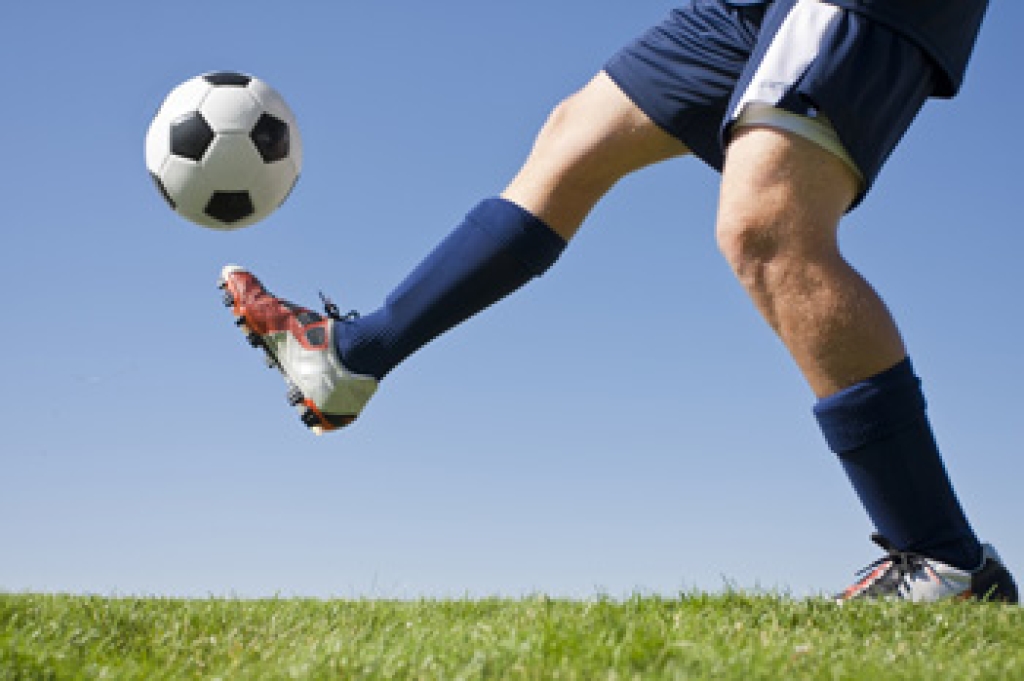
Achilles tendon injuries are common among soccer players, also termed footballers, because the sport involves sudden acceleration, quick direction changes, and repeated jumping. These injuries often require a careful period of recovery to allow the tendon to heal and regain strength. Two common forms are mid-portion Achilles tendinopathy and insertional Achilles tendinopathy. Mid-portion injury occurs along the central section of the tendon and often develops from repetitive strain. Insertional injuries occur where the tendon attaches to the heel bone and may involve inflammation or bony irritation. Symptoms include heel pain, stiffness, swelling, and reduced strength during movement. Risk factors include overtraining, tight calf muscles, and wearing improper footwear. A podiatrist can diagnose the condition and guide recovery. If you have sustained an Achilles tendon injury, it is suggested that you consult a podiatrist who can offer effective relief and treatment solutions. 

Sports related foot and ankle injuries require proper treatment before players can go back to their regular routines. For more information, contact Howard Waxman, DPM of Pleasant Valley Podiatry. Our doctor can provide the care you need to keep you pain-free and on your feet.

Sports Related Foot and Ankle Injuries

Foot and ankle injuries are a common occurrence when it comes to athletes of any sport. While many athletes dismiss the initial aches and pains, the truth is that ignoring potential foot and ankle injuries can lead to serious problems. As athletes continue to place pressure and strain the area further, a mild injury can turn into something as serious as a rupture and may lead to a permanent disability. There are many factors that contribute to sports related foot and ankle injuries, which include failure to warm up properly, not providing support or wearing bad footwear. Common injuries and conditions athletes face, including:

  • Plantar Fasciitis
  • Achilles Tendinitis
  • Achilles Tendon Rupture
  • Ankle Sprains

Sports related injuries are commonly treated using the RICE method. This includes rest, applying ice to the injured area, compression and elevating the ankle. More serious sprains and injuries may require surgery, which could include arthroscopic and reconstructive surgery. Rehabilitation and therapy may also be required in order to get any recovering athlete to become fully functional again. Any unusual aches and pains an athlete sustains must be evaluated by a licensed, reputable medical professional.

If you have any questions please contact one of our offices located in Willoughby Hills and Broadview Heights, OH . We offer the newest diagnostic and treatment technologies for all your foot and ankle needs.

Read more about Sports Related Foot And Ankle Injuries

Why Bunions Form and How They Are Managed

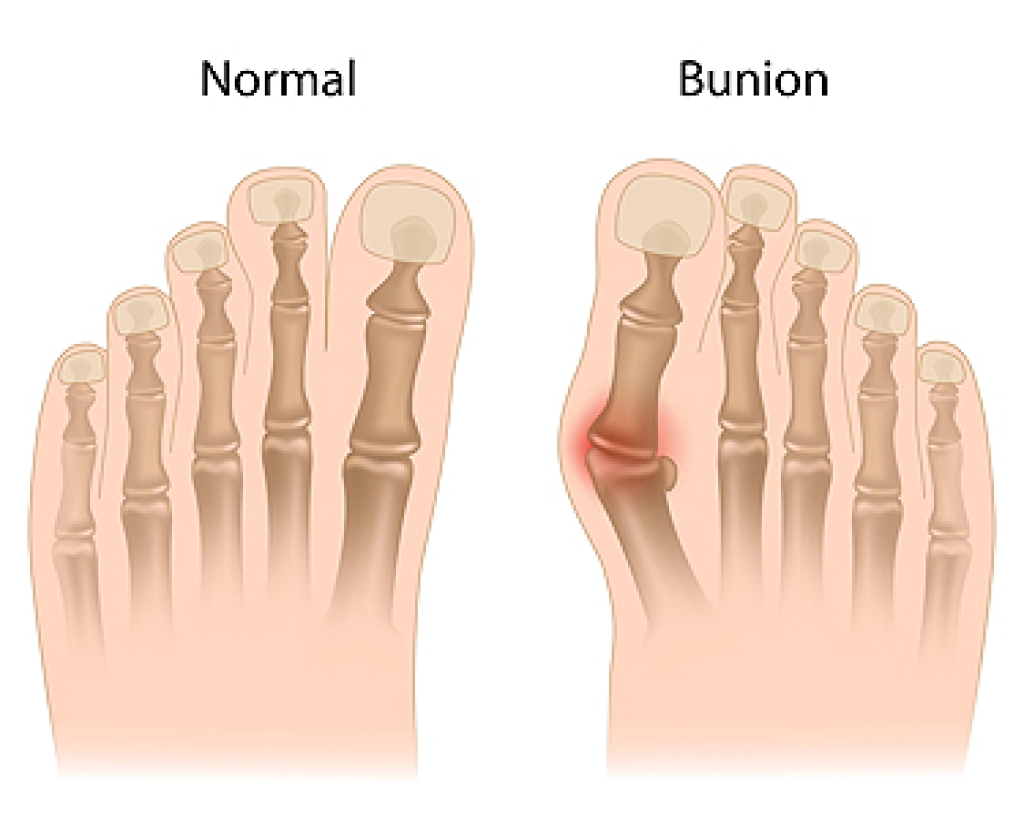
A bunion develops when the tip of the big toe gradually shifts toward the smaller toes, causing a bony bump to form at the base of the joint. This change occurs over time as pressure alters the alignment of the bones in the forefoot. Wearing tight footwear, inherited foot structure, and flat arches can increase stress on the joint. As the joint moves out of place, the surrounding tissues may become swollen and tender. Symptoms often include redness, soreness, and difficulty wearing certain shoes. Some people notice stiffness or limited motion in the big toe. Early care focuses on easing pressure and slowing progression. Wearing wide, supportive shoes and using custom orthotics can improve alignment. Padding and anti-inflammatory measures may reduce discomfort. When pain interferes with daily life, further treatment options are discussed. If you have a painful bump near your big toe, it is suggested that you see a podiatrist for a proper diagnosis and appropriate treatment.

If you are suffering from bunions, contact Howard Waxman, DPM of Pleasant Valley Podiatry. Our doctor can provide the care you need to keep you pain-free and on your feet.

What Is a Bunion?

A bunion is formed of swollen tissue or an enlargement of boney growth, usually located at the base joint of the toe that connects to the foot. The swelling occurs due to the bones in the big toe shifting inward, which impacts the other toes of the foot. This causes the area around the base of the big toe to become inflamed and painful.

Why Do Bunions Form?

Genetics – Susceptibility to bunions are often hereditary

Stress on the feet – Poorly fitted and uncomfortable footwear that places stress on feet, such as heels, can worsen existing bunions

How Are Bunions Diagnosed?

Podiatrists often perform two tests – blood tests and x-rays – when trying to diagnose bunions, especially in the early stages of development. Blood tests help determine if the foot pain is being caused by something else, such as arthritis, while x-rays provide a clear picture of your bone structure to your provider.

How Are Bunions Treated?

  • Refrain from wearing heels or similar shoes that cause discomfort
  • Select wider shoes that can provide more comfort and reduce pain
  • Anti-inflammatory and pain management drugs
  • Orthotics or foot inserts
  • Surgery

If you have any questions, please feel free to contact one of our offices located in Willoughby Hills and Broadview Heights, OH . We offer the newest diagnostic and treatment technologies for all your foot care needs.
Read more about Bunions

Facts About Cuboid Syndrome

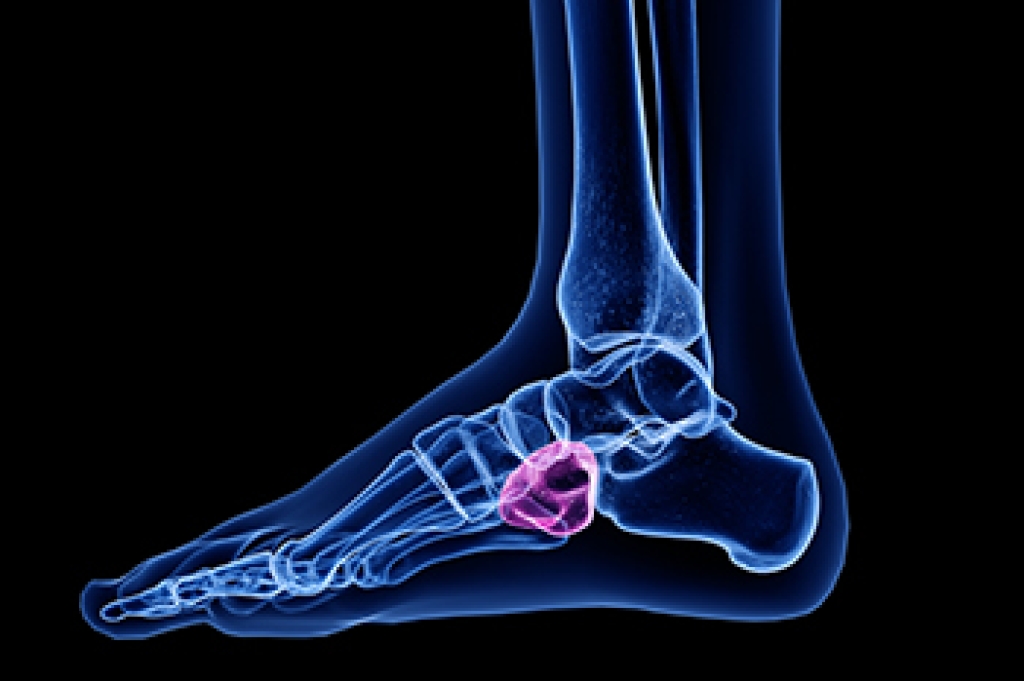
Cuboid syndrome is a condition that occurs when the cuboid bone in the midfoot becomes partially dislocated or irritated, often leading to pain and discomfort. It commonly develops due to stress fractures, sudden increases in activity, or changes in training conditions, such as running on uneven surfaces or wearing improper footwear. Symptoms include pain in the outer midfoot or near the ankle that worsens with weight bearing, walking, or activity. Risk factors include high-impact sports, overpronation, and previous foot injuries. A podiatrist can accurately diagnose cuboid syndrome, provide joint mobilization, recommend supportive orthotics, and guide rehabilitation to restore function. If you have pain in this part of your foot, it is suggested that you consult a podiatrist who can offer effective relief and treatment solutions.

Cuboid syndrome, also known as cuboid subluxation, occurs when the joints and ligaments near the cuboid bone in the foot become torn. If you have cuboid syndrome, consult with Howard Waxman, DPM from Pleasant Valley Podiatry. Our doctor will assess your condition and provide you with quality foot and ankle treatment.

Cuboid syndrome is a common cause of lateral foot pain, which is pain on the outside of the foot. The condition may happen suddenly due to an ankle sprain, or it may develop slowly overtime from repetitive tension through the bone and surrounding structures.

Causes

The most common causes of cuboid syndrome include:

  • Injury – The most common cause of this ailment is an ankle sprain.
  • Repetitive Strain – Tension placed through the peroneus longus muscle from repetitive activities such as jumping and running may cause excessive traction on the bone causing it to sublux.
  • Altered Foot Biomechanics – Most people suffering from cuboid subluxation have flat feet.

Symptoms

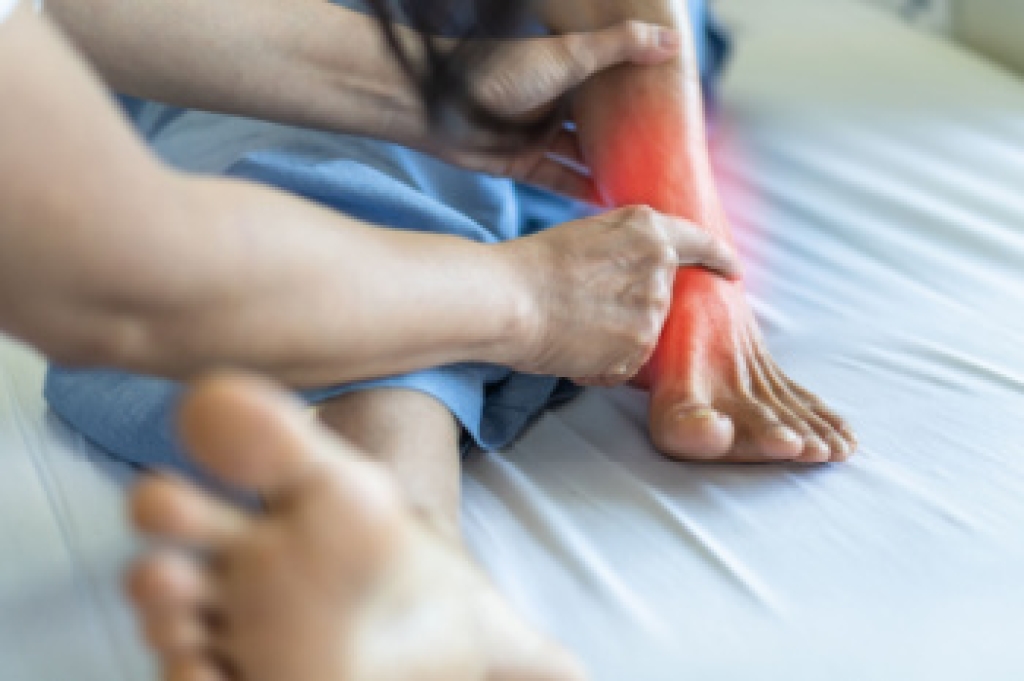
A common symptom of cuboid syndrome is pain along the outside of the foot which can be felt in the ankle and toes. This pain may create walking difficulties and may cause those with the condition to walk with a limp.

Diagnosis

Diagnosis of cuboid syndrome is often difficult, and it is often misdiagnosed. X-rays, MRIs and CT scans often fail to properly show the cuboid subluxation. Although there isn’t a specific test used to diagnose cuboid syndrome, your podiatrist will usually check if pain is felt while pressing firmly on the cuboid bone of your foot.

Treatment

Just as the range of causes varies widely, so do treatments. Some more common treatments are ice therapy, rest, exercise, taping, and orthotics.

If you have any questions, please feel free to contact one of our offices located in Willoughby Hills and Broadview Heights, OH . We offer the newest diagnostic and treatment technologies for all your foot care needs.
Read more about All About Cuboid Syndrome

A Hidden Nerve Problem That Can Cause Tingling Feet

Tarsal tunnel syndrome occurs when a major nerve on the inside of the ankle becomes compressed as it travels into the foot. This pressure can create tingling, burning, numbness, or sharp discomfort that may radiate into the arch, heel, or toes. Symptoms often feel worse after long periods of standing or walking, and some people notice relief only when they rest. Because the nerve sits in a tight space surrounded by ligaments and bone, anything that increases swelling or strain in the area can trigger irritation, including flat feet, prior injury, or certain medical conditions. Ignoring these sensations can lead to ongoing instability or increasing sensitivity in the foot. Early care focuses on reducing pressure, improving support, and calming inflammation to protect the nerve. If the tingling or burning continues or begins to affect your daily routine, it is suggested that you see a podiatrist for an accurate diagnosis and targeted treatment.

Tarsal tunnel syndrome can be very uncomfortable to live with. If you are experiencing tarsal tunnel syndrome, contact Howard Waxman, DPM of Pleasant Valley Podiatry. Our doctor can provide the care you need to keep you pain-free and on your feet.

Tarsal Tunnel Syndrome

Tarsal tunnel syndrome, which can also be called tibial nerve dysfunction, is an uncommon condition of misfiring peripheral nerves in the foot. The tibial nerve is the peripheral nerve in the leg responsible for sensation and movement of the foot and calf muscles. In tarsal tunnel syndrome, the tibial nerve is damaged, causing problems with movement and feeling in the foot of the affected leg.

Common Cause of Tarsal Tunnel Syndrome

  • Involves pressure or an injury, direct pressure on the tibial nerve for an extended period of time, sometimes caused by other body structures close by or near the knee.
  • Diseases that damage nerves, including diabetes, may cause tarsal tunnel syndrome.
  • At times, tarsal tunnel syndrome can appear without an obvious cause in some cases.

The Effects of Tarsal Tunnel Syndrome

  • Different sensations, an afflicted person may experience pain, tingling, burning or other unusual sensations in the foot of the affected leg.
  • The foot muscles, toes and ankle become weaker, and curling your toes or flexing your foot can become difficult.
  • If condition worsens, infections and ulcers may develop on the foot that is experiencing the syndrome.

A physical exam of the leg can help identify the presence of tarsal tunnel syndrome. Medical tests, such as a nerve biopsy, are also used to diagnose the condition. Patients may receive physical therapy and prescriptive medication. In extreme cases, some may require surgery.

If you have any questions please contact one of our offices located in Willoughby Hills and Broadview Heights, OH . We offer the newest diagnostic and treatment technologies for all your foot and ankle needs.

Read more about Tarsal Tunnel Syndrome
Connect with us