Blog

Ways That Rheumatoid Arthritis Affect the Feet

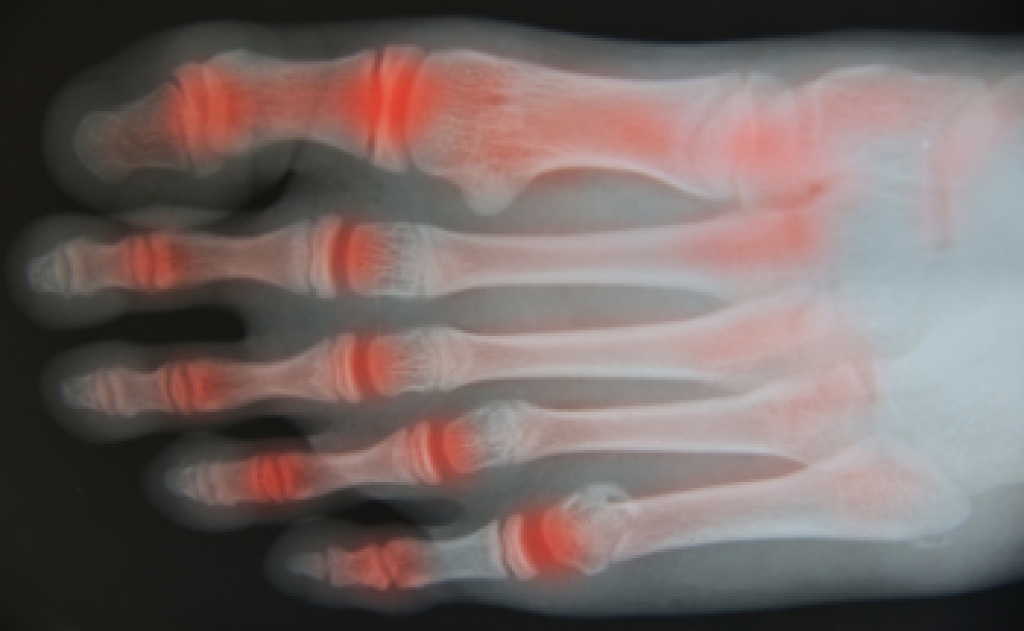
Rheumatoid arthritis causes the body to attack healthy joints, and the feet are commonly affected. This condition can lead to pain, swelling, and stiffness. It commonly affects the toes, arches, and ankles. Symptoms include discomfort in both feet at the same time, especially when getting out of bed or when walking after resting. Rheumatoid arthritis can also change the shape of the feet. Some people develop bunions, curled toes, or flat feet because the joints become weak and unstable. Pain in the ball of the foot is also common and can make standing or walking difficult. Swollen joints may feel warm and tender, and wearing shoes can become uncomfortable. A podiatrist can examine the feet, recommend supportive shoes, and provide custom orthotics that help reduce pain and improve movement. If you have foot pain that may be linked to arthritis, it is suggested that you make an appointment with a podiatrist for an exam and treatment options.

Foot Pain

Foot pain can be extremely painful and debilitating. If you have a foot pain, consult with Howard Waxman, DPM from Pleasant Valley Podiatry. Our doctor will assess your condition and provide you with quality foot and ankle treatment.

Causes

Foot pain is a very broad condition that could be caused by one or more ailments. The most common include:

  • Bunions
  • Hammertoes
  • Plantar Fasciitis
  • Bone Spurs
  • Corns
  • Tarsal Tunnel Syndrome
  • Ingrown Toenails
  • Arthritis (such as Gout, Rheumatoid, and Osteoarthritis)
  • Flat Feet
  • Injury (from stress fractures, broken toe, foot, ankle, Achilles tendon ruptures, and sprains)
  • And more

Diagnosis

To figure out the cause of foot pain, podiatrists utilize several different methods. This can range from simple visual inspections and sensation tests to X-rays and MRI scans. Prior medical history, family medical history, and any recent physical traumatic events will all be taken into consideration for a proper diagnosis.

Treatment

Treatment depends upon the cause of the foot pain. Whether it is resting, staying off the foot, or having surgery; podiatrists have a number of treatment options available for foot pain.

If you have any questions, please feel free to contact one of our offices located in Willoughby Hills and Broadview Heights, OH . We offer the newest diagnostic and treatment technologies for all your foot care needs.

Read more about Foot Pain

Tips to Help Prevent Running Injuries

Did you know that 80% of running injuries are caused by repetitive stress? Sudden injuries can occur too, such as torn muscles or sprained ankles. Luckily, there are steps that you can take to help prevent running injuries. Before you start your run, it is suggested that you warm up for 5-10 minutes by doing an easy jog or dynamic mobility stretches, like swinging your legs. When you are running, slowly increase the time and distance that you run. If possible, run on a soft surface like grass or sand. These soft surfaces are generally easier on your joints as opposed to running on the pavement. If you do sustain an injury, seek treatment right away and be sure to give your body adequate rest. Running with an injury could make the condition worse or cause new injuries to develop. For more information on how to prevent running injuries, consult with a podiatrist.

Exercising your feet regularly with the proper foot wear is a great way to prevent injuries. If you have any concerns about your feet, contact Howard Waxman, DPM of Pleasant Valley Podiatry. Our doctor will treat your foot and ankle needs.

How to Prevent Running Injuries

Many common running injuries are caused by overuse and overtraining. When the back of the kneecap starts wearing out and starts causing pain in your knee, this is commonly referred to as runner’s knee. Runner’s knee is a decrease in strength in your quadriceps and can occur if you’re not wearing properly fitted or supporting shoes. To prevent runner’s knee, focusing on hip strengthening is a good idea, as well as strengthening your quads to keep the kneecaps aligned.

What Are Some Causes of Running Injuries? 
- One cause of a common running injury is called iliotibial band syndrome.
- Plantar fasciitis is also another common injury.
- Stress fractures can occur from overtraining, lack of calcium, or even your running style.

Best Ways to Prevent Running Injuries
- Wear footwear that fits properly and suits your running needs.
- Running shoes are the only protective gear that runners have to safeguard them from injury.
- Make a training schedule. Adding strengthening exercises as well as regular stretching can help keep you strong and limber and can lessen the possibility of injuries.
- Stretching keeps muscles limber; this will help you gain better flexibility.

If you have any questions, please feel free to contact one of our offices located in Willoughby Hills and Broadview Heights, OH . We offer the newest diagnostic and treatment technologies for all your foot care needs.
Read more about Preventing Running Injuries

Gout Pain in the Foot

Gout is a form of inflammatory arthritis that often affects the foot, especially the joint at the base of the big toe. It develops when uric acid builds up in the body and forms sharp crystals within the joint. This can lead to sudden and severe pain, along with redness, swelling, and stiffness. Many people notice that attacks begin quickly, often at night, and can make even light pressure feel unbearable. Risk factors include diet, genetics, certain medications, and underlying health conditions. During gout flare-ups, the joint may appear swollen and warm, and movement can become limited. A podiatrist can diagnose gout through examination and testing, then provide treatment to reduce inflammation and protect joint health. Gout can be painful and may cause difficulty in completing daily activities. If this applies to you, it is suggested that you seek care from a podiatrist who can help you to manage this painful condition. 

Gout is a painful condition that can be treated. If you are seeking treatment, contact Howard Waxman, DPM from Pleasant Valley Podiatry. Our doctor will treat your foot and ankle needs.

What Is Gout?

Gout is a form of arthritis that is characterized by sudden, severe attacks of pain, redness, and tenderness in the joints. The condition usually affects the joint at the base of the big toe. A gout attack can occur at any random time, such as the middle of the night while you are asleep.

Symptoms

  • Intense Joint Pain - Usually around the large joint of your big toe, and it most severe within the first four to twelve hours
  • Lingering Discomfort - Joint discomfort may last from a few days to a few weeks
  • Inflammation and Redness -Affected joints may become swollen, tender, warm and red
  • Limited Range of Motion - May experience a decrease in joint mobility

Risk Factors

  • Genetics - If family members have gout, you’re more likely to have it
  • Medications - Diuretic medications can raise uric acid levels
  • Gender/Age - Gout is more common in men until the age of 60. It is believed that estrogen protects women until that point
  • Diet - Eating red meat and shellfish increases your risk
  • Alcohol - Having more than two alcoholic drinks per day increases your risk
  • Obesity - Obese people are at a higher risk for gout

Prior to visiting your podiatrist to receive treatment for gout, there are a few things you should do beforehand. If you have gout you should write down your symptoms--including when they started and how often you experience them, important medical information you may have, and any questions you may have. Writing down these three things will help your podiatrist in assessing your specific situation so that he or she may provide the best route of treatment for you.

If you have any questions, please feel free to contact one of our offices located in Willoughby Hills and Broadview Heights, OH . We offer the newest diagnostic and treatment technologies for all your foot care needs.

Read more about Gout

What to Expect After a Broken Foot

A broken foot can involve fractures of the toes, metatarsal bones, heel, or other structures within the foot. These injuries may occur from falls, sports injuries, or direct impact. Symptoms often include swelling, bruising, and sharp pain. It also may be difficult to walk or bear weight. In some cases, the foot may appear misshapen or become increasingly painful with movement. Healing time depends on the location and severity of the fracture. Minor fractures may heal in about 6 to 8 weeks, while more complex injuries involving multiple bones or joints can require several months for full recovery. A podiatrist can diagnose the fracture using an examination and imaging studies, such as X-rays. Treatment may include immobilization with a boot or cast, limited weight-bearing, and wearing supportive devices. Surgery for displaced fractures may be recommended. Following recovery instructions carefully is important to help the bones heal properly and reduce the risk of long-term complications. If you have a broken foot, it is suggested that you make an appointment with a podiatrist.

A broken foot requires immediate medical attention and treatment. If you need your feet checked, contact Howard Waxman, DPM from Pleasant Valley Podiatry. Our doctor can provide the care you need to keep you pain-free and on your feet.

Broken Foot Causes, Symptoms, and Treatment

A broken foot is caused by one of the bones in the foot typically breaking when bended, crushed, or stretched beyond its natural capabilities. Usually the location of the fracture indicates how the break occurred, whether it was through an object, fall, or any other type of injury. 

Common Symptoms of Broken Feet:

  • Bruising
  • Pain
  • Redness
  • Swelling
  • Blue in color
  • Numbness
  • Cold
  • Misshapen
  • Cuts
  • Deformities

Those that suspect they have a broken foot shoot seek urgent medical attention where a medical professional could diagnose the severity.

Treatment for broken bones varies depending on the cause, severity and location. Some will require the use of splints, casts or crutches while others could even involve surgery to repair the broken bones. Personal care includes the use of ice and keeping the foot stabilized and elevated.

If you have any questions, please feel free to contact one of our offices located in Willoughby Hills and Broadview Heights, OH . We offer the newest diagnostic and treatment technologies for all your foot care needs.

Read more about Causes, Symptoms, and Treatment for a Broken Foot

Common Deformities of the Toes

Toes can change shape that affect the foot and make walking uncomfortable. One toe deformity is termed a hammertoe. It happens when a smaller toe bends at the middle joint, creating a curled appearance. A bunion  forms when the top of the big toe shifts toward the smaller ones, and the main joint bone at the bottom pushes outward. A claw toe involves more than one joint, causing the toe to bend downward and sometimes press into the shoe. These problems often develop from repeated pressure, muscle imbalance, or abnormal foot movement. Symptoms include pain, stiffness, or trouble fitting into shoes. A podiatrist can use X-rays and other imaging to assess severity. Care includes custom orthotics, protective devices, or surgery to correct alignment and reduce pain. If you have toes that look abnormal, it is suggested that you schedule an appointment with a podiatrist for a diagnosis and appropriate treatment.

Toe pain can disrupt your daily activities. If you have any concerns, contact Howard Waxman, DPM of Pleasant Valley Podiatry. Our doctor can provide the care you need to keep you pain-free and on your feet.

What Causes Toe Pain?

Most severe toe pain is caused due to a sports injury, trauma from dropping something heavy on the toe, or bumping into something rigid. Other problems can develop over time for various reasons.

Toe pain can be caused by one or more ailments. The most common include:

  • Trauma
  • Sports injury
  • Wearing shoes that are too tight
  • Arthritis
  • Gout
  • Corns and calluses
  • Hammertoe
  • Bunions
  • Blisters
  • Ingrown toenails
  • Sprains
  • Fractures (broken bones)
  • Dislocations

When to See a Podiatrist

  • Severe pain
  • Persistent pain that lasts more than a week
  • Signs of infection
  • Continued swelling
  • Pain that prevents walking

Diagnosis

In many cases the cause of toe pain is obvious, but in others, a podiatrist may want to use more advanced methods to determine the problem. These can range from simple visual inspections and sensation tests to X-rays and MRI scans. Prior medical history, family medical history, and any recent physical traumatic events will all be taken into consideration for a proper diagnosis.

Treatment

Treatments for toe pain and injuries vary and may include shoe inserts, padding, taping, medicines, injections, and in some cases, surgery. If you believe that you have broken a toe, please see a podiatrist as soon as possible.

If you have any questions please contact one of our offices located in Willoughby Hills and Broadview Heights, OH . We offer the newest diagnostic and treatment technologies for all your foot and ankle needs.

Read more about Toe Pain
Connect with us