Blog

Preventing Toenail Fungus

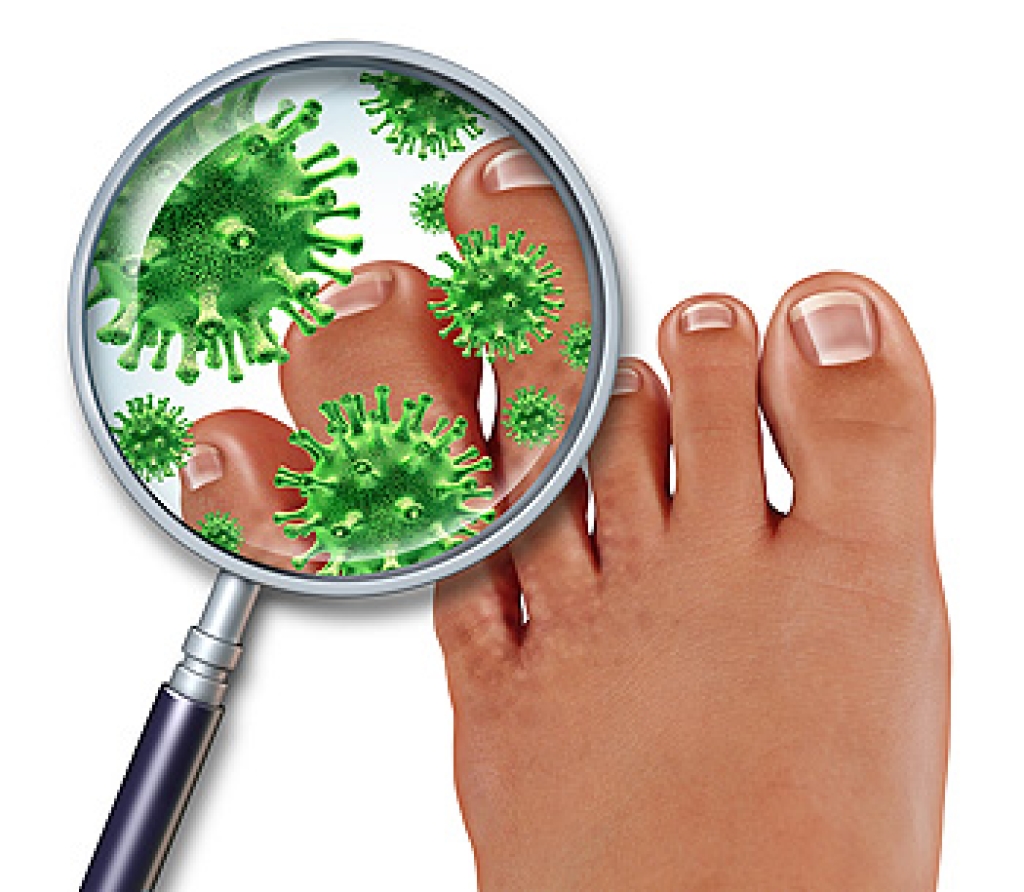
Toenail fungus is an infection that forms underneath toenails. When this occurs, the nail usually darkens and may begin to smell. This infection can spread to other nails or skin, so it is important to treat it. Over time, the toenail might begin to thicken and the infection might become painful. Thankfully, there are ways to prevent toenail fungus. Proper foot hygiene is the first step in preventing infection. Washing your feet and making sure to fully dry them will help keep infectious organisms out of your toenails. In public areas, wear shower shoes and avoid wearing shoes or socks that trap excessive moisture, because damp environments allow infections to thrive. It is also important to cut your toenails straight across and to make sure any pedicure tools used on your feet are clean. If you would like more information on how to properly prevent toenail fungus, then it is recommended you consult with a podiatrist.

For more information about treatment, contact Howard Waxman, DPM of Pleasant Valley Podiatry. Our doctor can provide the care you need to keep you pain-free and on your feet.

Toenail Fungus Treatment

Toenail fungus is a condition that affects many people and can be especially hard to get rid of. Fortunately, there are several methods to go about treating and avoiding it.

Antifungals & Deterrence

Oral antifungal medicine has been shown to be effective in many cases. It is important to consult with a podiatrist to determine the proper regiment for you, or potentially explore other options.

Applying foot powder on the feet and shoes helps keep the feet free of moisture and sweat.

Sandals or open toed shoes – Wearing these will allow air movement and help keep feet dry. They also expose your feet to light, which fungus cannot tolerate. Socks with moisture wicking material also help as well.

If you have any questions please contact one of our offices located in Willoughby Hills and Broadview Heights, OH . We offer the newest diagnostic and treatment technologies for all your foot and ankle needs.


Read more about Toenail Fungus

How Important Is Proper Foot Care In Children?

Research has indicated when children's feet receive proper care, potential foot problems that can develop as adults may diminish. When children get into the habit of washing and drying their feet on a daily basis, foot conditions, including athlete’s foot, may be prevented. Children’s feet will benefit from walking barefoot while indoors. This helps the toes to become strong by grasping the floor. When it is time to walk outdoors, it is important to have your child’s feet properly measured. This can help to determine the correct size shoe to ensure comfortable walking. The unpleasant foot condition, known as ingrown toenails, may be prevented when the toenails are trimmed straight across the toe. Please consult with a podiatrist if you would like additional information about foot care for children.

The health of a child’s feet is vital to their overall well-being. If you have any questions regarding foot health, contact Howard Waxman, DPM of Pleasant Valley Podiatry. Our doctor can provide the care you need to keep you pain-free and on your feet.

Tips for Keeping Children's Feet Healthy

  • Make sure their shoes fit properly
  • Look for any signs of in-toeing or out-toeing
  • Check to see if they have Clubfoot (condition that affects your child’s foot and ankle, twisting the heel and toes inward) which is one of the most common nonmajor birth defects.
  • Lightly cover your baby’s feet (Tight covers may keep your baby from moving their feet freely, and could prevent normal development)
  • Allow your toddler to go shoeless (Shoes can be restricting for a young child’s foot)
  • Cut toenails straight across to avoid ingrown toenails
  • Keep your child’s foot clean and dry
  • Cover cuts and scrapes. Wash any scratches with soap and water and cover them with a bandage until they’ve healed.

If you have any questions, please feel free to contact one of our offices located in Willoughby Hills and Broadview Heights, OH . We offer the newest diagnostic and treatment technologies for all your foot care needs.

Read more about How to Care for Your Child's Feet

Foot Symptoms Associated with Diabetes

Did you know that diabetes is responsible for over 50% of all foot amputations in the United States? That is why diabetes experts recommend that everyone, whether they have type 1 or type 2 diabetes, protect their feet with daily foot checks, wear supportive fitting socks and shoes, and complete a comprehensive foot exam by a podiatrist at least once a year. Two main foot problems that can occur with people who have diabetes are Peripheral Vascular Disease and Diabetic Neuropathy.  Other foot symptoms associated with people who have diabetes include loss of feeling, numbness or tingling sensations, blisters, skin discoloration, red streaks, and staining on their socks. If an infection develops the symptoms can worsen and include fever, chills, uncontrollable blood sugar, shock, and redness. With diabetes, since there can be numerous complications in the feet, it is strongly recommended that you consult with a podiatrist for the best prevention and treatment methods.

Diabetic foot care is important in preventing foot ailments such as ulcers. If you are suffering from diabetes or have any other concerns about your feet, contact Howard Waxman, DPM from Pleasant Valley Podiatry. Our doctor can provide the care you need to keep you pain-free and on your feet.

Diabetic Foot Care

Diabetes affects millions of people every year. The condition can damage blood vessels in many parts of the body, especially the feet. Because of this, taking care of your feet is essential if you have diabetes, and having a podiatrist help monitor your foot health is highly recommended.

The Importance of Caring for Your Feet

  • Routinely inspect your feet for bruises or sores.
  • Wear socks that fit your feet comfortably.
  • Wear comfortable shoes that provide adequate support.

Patients with diabetes should have their doctor monitor their blood levels, as blood sugar levels play such a huge role in diabetic care. Monitoring these levels on a regular basis is highly advised.

It is always best to inform your healthcare professional of any concerns you may have regarding your feet, especially for diabetic patients. Early treatment and routine foot examinations are keys to maintaining proper health, especially because severe complications can arise if proper treatment is not applied.

If you have any questions, please feel free to contact one of our offices located in Willoughby Hills and Broadview Heights, OH . We offer the newest diagnostic and treatment technologies for all your foot care needs.

Read more about How to Care for Diabetic Foot

Types of Foot Pain

Many people experience foot pain at some point in their lives. This can range from having chronic foot pain, to enduring a sudden injury. Additionally, there are medical conditions that can cause pain and discomfort in the feet. These can consist of bunions, athlete’s foot, and plantar fasciitis. A bunion produces a bony protrusion on the side of the big toe. This can develop from genetic traits, or from wearing shoes that do not have adequate room for the toes to move freely in. It may appear red, and pain may come from the pressure that is exerted on it. Itching between the toes and on the bottom of the feet may be indicative of athlete’s foot, which is caused by a fungus. In severe cases, medication may be prescribed. The latter is caused by inflammation of the tendon that is located on the sole of the foot. It connects the heel to the toes, and will typically produce pain and discomfort in the heel. If you are having any type of foot pain, it is strongly suggested that you seek the counsel of a podiatrist who can guide you towards the proper treatment.

Foot Pain

Foot pain can be extremely painful and debilitating. If you have a foot pain, consult with Howard Waxman, DPM from Pleasant Valley Podiatry. Our doctor will assess your condition and provide you with quality foot and ankle treatment.

Causes

Foot pain is a very broad condition that could be caused by one or more ailments. The most common include:

  • Bunions
  • Hammertoes
  • Plantar Fasciitis
  • Bone Spurs
  • Corns
  • Tarsal Tunnel Syndrome
  • Ingrown Toenails
  • Arthritis (such as Gout, Rheumatoid, and Osteoarthritis)
  • Flat Feet
  • Injury (from stress fractures, broken toe, foot, ankle, Achilles tendon ruptures, and sprains)
  • And more

Diagnosis

To figure out the cause of foot pain, podiatrists utilize several different methods. This can range from simple visual inspections and sensation tests to X-rays and MRI scans. Prior medical history, family medical history, and any recent physical traumatic events will all be taken into consideration for a proper diagnosis.

Treatment

Treatment depends upon the cause of the foot pain. Whether it is resting, staying off the foot, or having surgery; podiatrists have a number of treatment options available for foot pain.

If you have any questions, please feel free to contact one of our offices located in Willoughby Hills and Broadview Heights, OH . We offer the newest diagnostic and treatment technologies for all your foot care needs.

Read more about Foot Pain

Types of Foot Pain

Many people experience foot pain at some point in their lives. This can range from having chronic foot pain, to enduring a sudden injury. Additionally, there are medical conditions that can cause pain and discomfort in the feet. These can consist of bunions, athlete’s foot, and plantar fasciitis. A bunion produces a bony protrusion on the side of the big toe. This can develop from genetic traits, or from wearing shoes that do not have adequate room for the toes to move freely in. It may appear red, and pain may come from the pressure that is exerted on it. Itching between the toes and on the bottom of the feet may be indicative of athlete’s foot, which is caused by a fungus. In severe cases, medication may be prescribed. The latter is caused by inflammation of the tendon that is located on the sole of the foot. It connects the heel to the toes, and will typically produce pain and discomfort in the heel. If you are having any type of foot pain, it is strongly suggested that you seek the counsel of a podiatrist who can guide you towards the proper treatment.

Foot Pain

Foot pain can be extremely painful and debilitating. If you have a foot pain, consult with Howard Waxman, DPM from Pleasant Valley Podiatry. Our doctor will assess your condition and provide you with quality foot and ankle treatment.

Causes

Foot pain is a very broad condition that could be caused by one or more ailments. The most common include:

  • Bunions
  • Hammertoes
  • Plantar Fasciitis
  • Bone Spurs
  • Corns
  • Tarsal Tunnel Syndrome
  • Ingrown Toenails
  • Arthritis (such as Gout, Rheumatoid, and Osteoarthritis)
  • Flat Feet
  • Injury (from stress fractures, broken toe, foot, ankle, Achilles tendon ruptures, and sprains)
  • And more

Diagnosis

To figure out the cause of foot pain, podiatrists utilize several different methods. This can range from simple visual inspections and sensation tests to X-rays and MRI scans. Prior medical history, family medical history, and any recent physical traumatic events will all be taken into consideration for a proper diagnosis.

Treatment

Treatment depends upon the cause of the foot pain. Whether it is resting, staying off the foot, or having surgery; podiatrists have a number of treatment options available for foot pain.

If you have any questions, please feel free to contact one of our offices located in Willoughby Hills and Broadview Heights, OH . We offer the newest diagnostic and treatment technologies for all your foot care needs.

Read more about Foot Pain
Connect with us