If left untreated, an ingrown toenail can lead to more serious concerns, such as an infection. Knowing proper nail care can help in the prevention of an ingrown toenail. Give us a call, and get treated!

If left untreated, an ingrown toenail can lead to more serious concerns, such as an infection. Knowing proper nail care can help in the prevention of an ingrown toenail. Give us a call, and get treated!

Foot and ankle injuries from basketball are among the most common sports-related concerns due to the fast-paced and high-impact nature of the game. Basketball requires quick direction changes, jumping, and sudden stops, all of which place stress on the lower extremities. These movements increase the risk of injury, especially when combined with fatigue or improper training. The most common injuries include ankle sprains and Achilles tendon injuries, both of which can affect performance and long-term mobility if not addressed properly.
Symptoms of ankle sprains often include swelling, bruising, and limited range of motion around the joint. Athletes may have difficulty bearing weight or feel instability when walking. Achilles tendon injuries can cause pain along the back of the heel, stiffness, and weakness, especially during push off movements. In more severe cases, a popping sensation may be felt at the time of injury. Recognizing these symptoms early can help prevent further damage and support a safer recovery process.
The causes of basketball-related foot and ankle injuries are often linked to overuse and physical demands. Longer basketball schedules with frequent games and practices can lead to fatigue, which reduces coordination and increases injury risk. Lack of neuromuscular training can also contribute, as proper balance and muscle control are essential for safe movement. Sudden changes in intensity or inadequate warm up routines may place additional strain on the joints and tendons.
Risk factors include previous injuries, poor conditioning, and wearing improper footwear that does not provide adequate support. Playing on hard surfaces and failing to allow time for recovery can further increase the likelihood of injury. Strength training and proper technique can help improve stability and reduce risk. Early care is essential for maintaining foot health and performance. If you have a foot or ankle injury from basketball, it is suggested that you consult a podiatrist for effective relief and treatment solutions.
Sports related foot and ankle injuries require proper treatment before players can go back to their regular routines. For more information, contact Howard Waxman, DPM of Pleasant Valley Podiatry. Our doctor can provide the care you need to keep you pain-free and on your feet.
Sports Related Foot and Ankle Injuries
Foot and ankle injuries are a common occurrence when it comes to athletes of any sport. While many athletes dismiss the initial aches and pains, the truth is that ignoring potential foot and ankle injuries can lead to serious problems. As athletes continue to place pressure and strain the area further, a mild injury can turn into something as serious as a rupture and may lead to a permanent disability. There are many factors that contribute to sports related foot and ankle injuries, which include failure to warm up properly, not providing support or wearing bad footwear. Common injuries and conditions athletes face, including:
Sports related injuries are commonly treated using the RICE method. This includes rest, applying ice to the injured area, compression and elevating the ankle. More serious sprains and injuries may require surgery, which could include arthroscopic and reconstructive surgery. Rehabilitation and therapy may also be required in order to get any recovering athlete to become fully functional again. Any unusual aches and pains an athlete sustains must be evaluated by a licensed, reputable medical professional.
If you have any questions please contact one of our offices located in Willoughby Hills and Broadview Heights, OH . We offer the newest diagnostic and treatment technologies for all your foot and ankle needs.

Shoe inserts, also known as orthotics, are devices placed inside footwear to support the feet and improve alignment during movement. These inserts are commonly used in sports and physical activities to enhance comfort and reduce strain on the lower body. Orthotics can be custom-made or prefabricated, depending on the level of support needed. Their purpose is to stabilize the foot, improve shock-absorption, and promote efficient movement patterns. By addressing imbalances, orthotics help reduce stress on muscles and joints during activity.
Symptoms that may indicate the need for orthotics include foot pain, arch fatigue, heel discomfort, and instability while running or walking. Athletes may also notice decreased performance or recurring injuries. Risk factors include repetitive motion, high-impact sports, and wearing improper footwear. Structural foot issues such as flat feet or high arches are other factors. Without proper support, these factors can increase the likelihood of movement-related injuries and long-term discomfort.
Orthotics are used to treat a variety of conditions, including plantar fasciitis, Achilles tendon strain, shin splints, and over-pronation. They work by redistributing pressure across the foot and correcting alignment. This helps reduce strain on specific areas and supports natural motion. For individuals involved in sports, orthotics can improve balance, enhance stability, and reduce the risk of injury. They also help absorb impact forces, which is essential for protecting joints during repetitive movement.
The benefits of shoe inserts include improved comfort, better performance, and reduced risk of injury. They can support recovery by minimizing stress on affected areas and promoting proper biomechanics. Consistent use of orthotics can lead to long-term improvements in foot health and mobility. If you have foot pain or conditions that require orthotics, it is suggested that you consult a podiatrist who can determine what type of orthotics are right for you.
If you are having discomfort in your feet and would like to try orthotics, contact Howard Waxman, DPM from Pleasant Valley Podiatry. Our doctor can provide the care you need to keep you pain-free and on your feet.
What Are Orthotics?
Orthotics are inserts you can place into your shoes to help with a variety of foot problems such as flat feet or foot pain. Orthotics provide relief and comfort for minor foot and heel pain but can’t correct serious biomechanical problems in your feet.
Over-the-Counter Inserts
Orthotics come in a wide variety of over-the-counter inserts that are used to treat foot pain, heel pain, and minor problems. For example, arch supports can be inserted into your shoes to help correct overarched or flat feet, while gel insoles are often used because they provide comfort and relief from foot and heel pain by alleviating pressure.
Prescription Orthotics
If over-the-counter inserts don’t work for you or if you have a more severe foot concern, it is possible to have your podiatrist prescribe custom orthotics. These high-quality inserts are designed to treat problems such as abnormal motion, plantar fasciitis, and severe forms of heel pain. They can even be used to help patients suffering from diabetes by treating foot ulcers and painful calluses and are usually molded to your feet individually, which allows them to provide full support and comfort.
If you are experiencing minor to severe foot or heel pain, it’s recommended to speak with your podiatrist about the possibilities of using orthotics. A podiatrist can determine which type of orthotic is right for you and allow you to take the first steps towards being pain-free.
If you have any questions, please feel free to contact one of our offices located in Willoughby Hills and Broadview Heights, OH . We offer the newest diagnostic and treatment technologies for all your foot care needs.
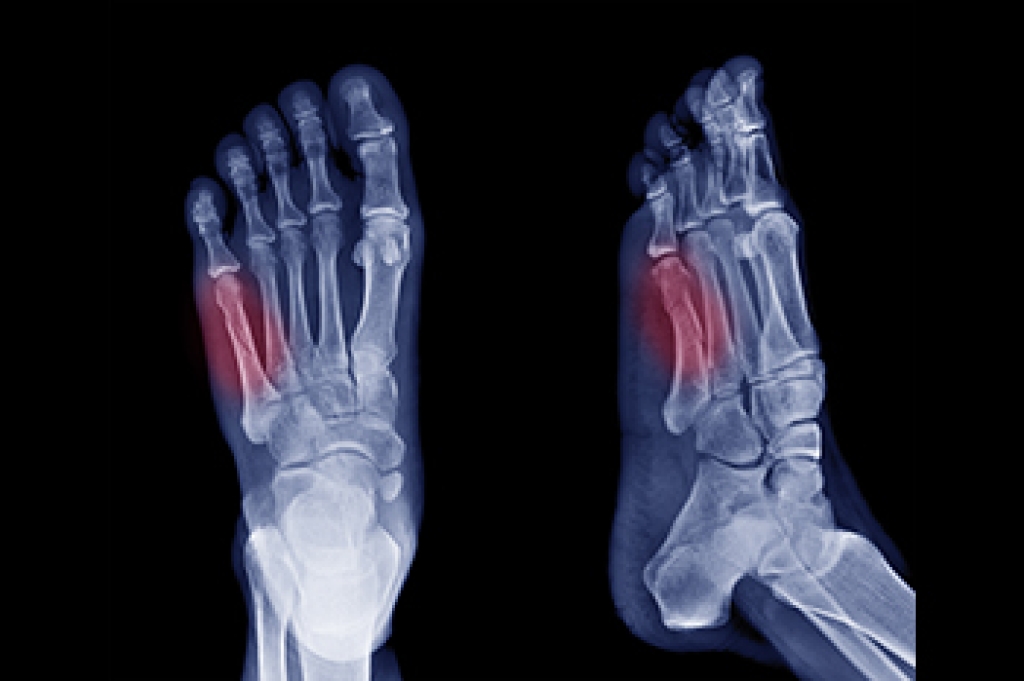
A Jones fracture is a break in the fifth metatarsal bone, which sits along the outside of the foot near the base of the little toe. This injury usually happens after a sudden twist, awkward landing, or forceful change in direction. People who participate in sporting activities that involve running and jumping, as well as dancers, face a higher risk, although anyone can experience this injury after a fall or misstep. It is different from a fracture at the very base of the bone, which has a distinctive healing pattern. Because blood flow to this area is limited, healing can take longer than many other foot fractures. Prompt evaluation helps identify the injury and reduce the risk of healing problems.
Symptoms include pain along the outside of the foot, swelling, bruising, and difficulty putting weight on the injured foot. Some patients hear or feel a snap when the injury happens. A podiatrist examines the foot, asks how the injury occurred, and orders X-rays to confirm the diagnosis. Advanced imaging is sometimes recommended when the fracture is difficult to see or another injury is suspected. Early diagnosis is important because a Jones fracture can fail to heal properly without appropriate treatment.
Treatment depends on the location of the break, the position of the bone, and a patient's activity level. Care includes a cast or walking boot and careful monitoring with follow-up examinations and imaging. Some fractures require surgery to improve bone alignment and increase the chance of successful healing. Regular follow-up visits allow the podiatrist to check healing progress and decide when normal activities can safely resume. Careful evaluation also helps distinguish a Jones fracture from other fractures affecting the fifth metatarsal because treatment recommendations are different for each injury. If you have symptoms of a Jones fracture, it is suggested that you schedule an appointment with a podiatrist for a diagnosis and appropriate treatment.
A broken foot requires immediate medical attention and treatment. If you need your feet checked, contact Howard Waxman, DPM from Pleasant Valley Podiatry. Our doctor can provide the care you need to keep you pain-free and on your feet.
Broken Foot Causes, Symptoms, and Treatment
A broken foot is caused by one of the bones in the foot typically breaking when bended, crushed, or stretched beyond its natural capabilities. Usually the location of the fracture indicates how the break occurred, whether it was through an object, fall, or any other type of injury.
Common Symptoms of Broken Feet:
Those that suspect they have a broken foot shoot seek urgent medical attention where a medical professional could diagnose the severity.
Treatment for broken bones varies depending on the cause, severity and location. Some will require the use of splints, casts or crutches while others could even involve surgery to repair the broken bones. Personal care includes the use of ice and keeping the foot stabilized and elevated.
If you have any questions, please feel free to contact one of our offices located in Willoughby Hills and Broadview Heights, OH . We offer the newest diagnostic and treatment technologies for all your foot care needs.
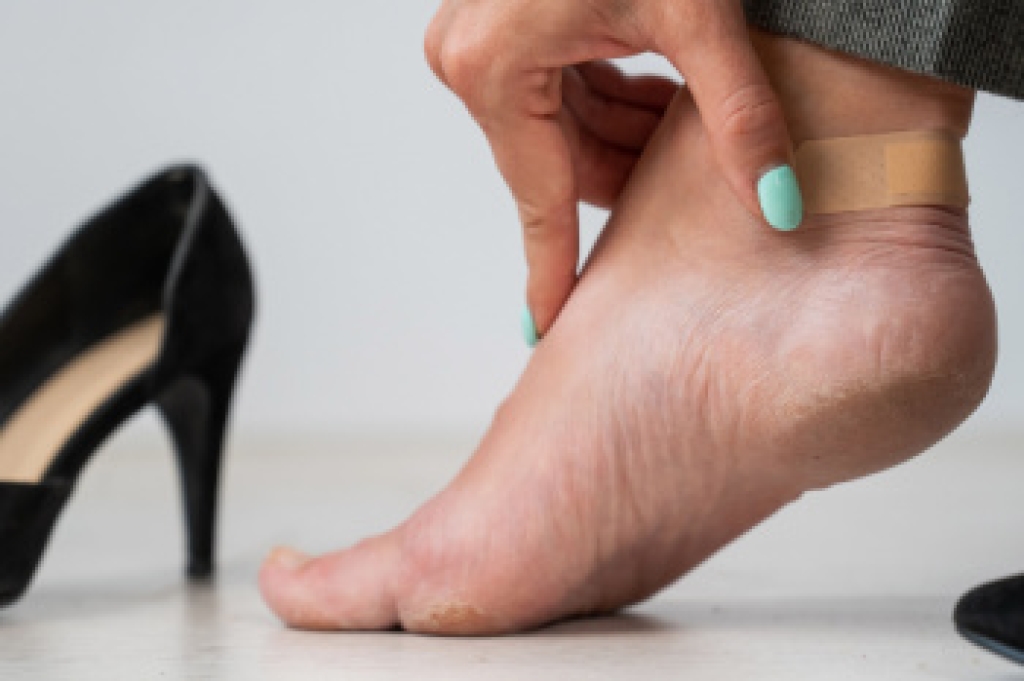
Blisters can cause discomfort and make it harder to move comfortably during daily activities. A blister is a small pocket of fluid that forms between layers of skin, usually because of friction, pressure, or irritation. Friction happens when surfaces rub together repeatedly, which can damage the skin and create a painful area. Blisters commonly develop on the feet because they experience repeated pressure from standing, walking, and wearing shoes. Symptoms include redness, tenderness, swelling, and a raised area on the skin. Some patients may also experience pain that affects their ability to participate in normal activities. A podiatrist can examine the blister and surrounding skin to determine the cause and recommend appropriate care.
A podiatrist evaluates foot blisters by reviewing symptoms, examining the affected area, and identifying factors that may have contributed to the problem. The evaluation includes checking skin condition, foot structure, and footwear choices. A podiatrist can provide treatment focused on protecting the affected area, supporting skin health, and reducing factors that contribute to repeated irritation. Care includes recommendations based on the type and location of the blister, along with guidance for managing related foot concerns. A podiatrist also evaluates footwear because shoes that lack proper support or fit poorly can increase pressure and friction on the feet.
Research shows that foot blisters can affect comfort, movement, and activity levels, making proper evaluation important for patients experiencing ongoing concerns. A podiatrist helps identify why blisters develop and creates a treatment plan based on each patient’s foot health and lifestyle. Professional care can help address painful symptoms and support healthier skin on the feet. Treatment plans are personalized according to examination findings and the patient’s specific needs. Regular appointments allow a podiatrist to monitor foot health and address concerns that affect comfort and mobility. If you have symptoms of blisters, it is suggested that you make an appointment with a chiropractor for diagnosis and treatment.
Blisters are prone to making everyday activities extremely uncomfortable. If your feet are hurting, contact Howard Waxman, DPM of Pleasant Valley Podiatry. Our doctor can provide the care you need to keep you pain-free and on your feet.
Foot Blisters
Foot blisters develop as a result of constantly wearing tight or ill-fitting footwear. This happens due to the constant rubbing from the shoe, which can often lead to pain.
What Are Foot Blisters?
A foot blister is a small fluid-filled pocket that forms on the upper-most layer of the skin. Blisters are filled with clear fluid and can lead to blood drainage or pus if the area becomes infected.
How Do Blisters Form?
Blisters on the feet are often the result of constant friction of skin and material, usually by shoe rubbing. Walking in sandals, boots, or shoes that don’t fit properly for long periods of time can result in a blister. Having consistent foot moisture and humidity can easily lead to blister formation.
Prevention & Treatment
It is important to properly care for the affected area in order to prevent infection and ease the pain. Do not lance the blister and use a Band-Aid to provide pain relief. Also, be sure to keep your feet dry and wear proper fitting shoes. If you see blood or pus in a blister, seek assistance from a podiatrist.
If you have any questions, please feel free to contact one of our offices located in Willoughby Hills and Broadview Heights, OH . We offer the newest diagnostic and treatment technologies for all your foot care needs.